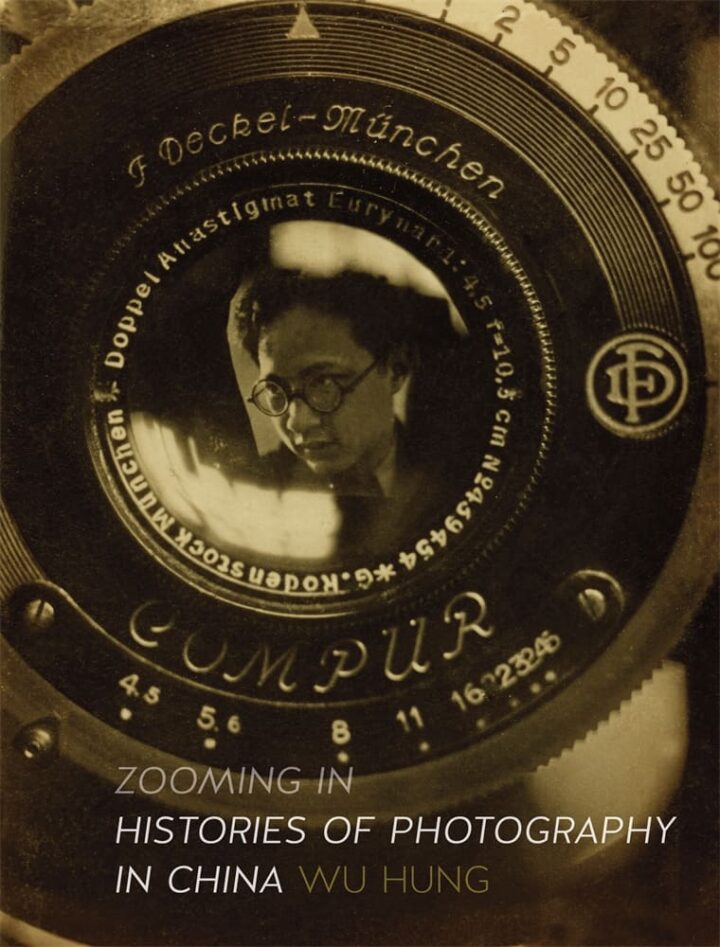
Zooming In
Histories of Photography in China
Wu HungA breakthrough, highly illustrated study of Chinese photography from the 1860s to the present.
From the first sets of photographic records made by Western travellers to the emergence of ‘Chinese photography’ imbued with national anxiety and individual desire, and from doctored portraits of Chairman Mao to ‘experimental’ representations of urban transformation and avant-garde performances of the post-Cultural Revolution era, the development of photography in China has followed divergent paths through changing sociopolitical contexts, producing images with different agendas, technological innovations and artistic pursuits.
Zooming In explores multiple histories of photographic production in China. At its centre lies a large question: how has photography represented China and its people, collective history and memory, individual subjectivity and creativity? To address this multifaceted question, Wu Hung offers an in-depth study of selected photographers, themes and movements of photography in China from 1860 to the present, covering a wide range of topics from portraiture to photojournalism, architectural and landscape photography, photo-publications and conceptual photography.
A breakthrough, highly illustrated study of Chinese photography from the 1860s to the present.
From the first sets of photographic records made by Western travellers to the emergence of ‘Chinese photography’ imbued with national anxiety and individual desire, and from doctored portraits of Chairman Mao to ‘experimental’ representations of urban transformation and avant-garde performances of the post-Cultural Revolution era, the development of photography in China has followed divergent paths through changing sociopolitical contexts, producing images with different agendas, technological innovations and artistic pursuits.
Zooming In explores multiple histories of photographic production in China. At its centre lies a large question: how has photography represented China and its people, collective history and memory, individual subjectivity and creativity? To address this multifaceted question, Wu Hung offers an in-depth study of selected photographers, themes and movements of photography in China from 1860 to the present, covering a wide range of topics from portraiture to photojournalism, architectural and landscape photography, photo-publications and conceptual photography.
Introduction
Part One: Representing China and the Self
1. Inventing a ‘Chinese’ Portrait Style in Early Photography: The Case of Milton Miller
2. Photography’s Subjugation of China: A ‘Magnificent Collection’ of Second Opium War Images
3. Birth of the Self and the Nation: Cutting the Queue
4. Self as Art: Jin Shisheng and His Interior Space
Part Two: History Revisited
5. Searching for Immortal Mountains: The Origins and Aesthetics
6. A Second History: An Archive of Manipulated Photographs
7. The ‘Old Photo Craze’ and Contemporary Chinese Art
Part Three: Living in Time
8. Mo Yi: The Story of an Urban Ethnographer
9. Liu Zheng: My Countrymen
10. Rong Rong: Ruins as Autobiography
11. Miao Xiochun: Journeying through Space and Time
References
Bibliography
Acknowledgements
Photo Acknowledgements
Index
Wu Hung is Harrie A. Vanderstappen Distinguished Service Professor of Art History at the University of Chicago. His many books include A Story of Ruins: Presence and Absence in Chinese Art and Visual Culture (Reaktion, 2011) and Zooming In: Histories of Photography in China (Reaktion, 2016).