The Double Screen
Medium and Representation in Chinese Painting
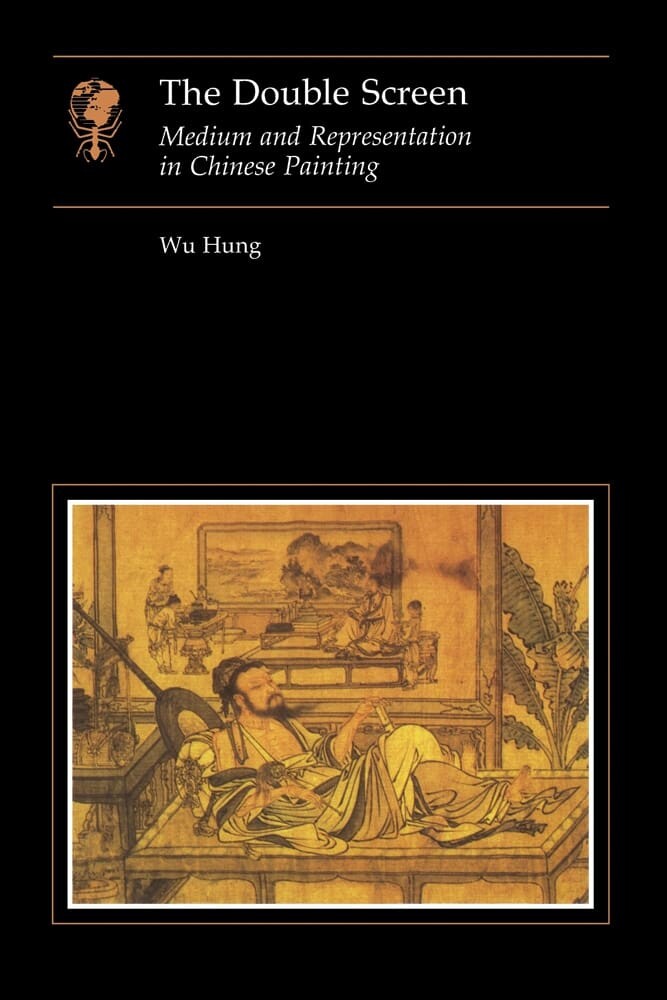
Wu HungThis book contemplates a large problem: what is a traditional Chinese painting? Wu Hung answers this question through a comprehensive analysis of the screen, a major format and a popular pictorial motif in traditional China. With a broad array of examples ranging from the early centuries C.E. to the 1800s, he explores the screen’s position in art – as an important site for artistic imagination, as an illusionary representation on a flat surface, and as an architectural device defining cultural conventions.
A screen occupies a space and divides it, supplies an ideal surface for painting, and has been a favourite pictorial image in Chinese art since antiquity. With its diverse roles, the screen has provided Chinese painters with endless opportunities to reinvent their art.
The author argues that any understanding of Chinese painting must include discussion of its material forms as well as its intimate connection with cultural context and convention. Thus, The Double Screen offers a powerful non-western perspective on diverse artistic and cultural genres, from portraiture and pictorial narrative to voyeurism and masqerade, and will be invaluable to anyone interested in the history of art and Asian studies as well as to students and specialists in the field.
This book contemplates a large problem: what is a traditional Chinese painting? Wu Hung answers this question through a comprehensive analysis of the screen, a major format and a popular pictorial motif in traditional China. With a broad array of examples ranging from the early centuries C.E. to the 1800s, he explores the screen’s position in art – as an important site for artistic imagination, as an illusionary representation on a flat surface, and as an architectural device defining cultural conventions.
A screen occupies a space and divides it, supplies an ideal surface for painting, and has been a favourite pictorial image in Chinese art since antiquity. With its diverse roles, the screen has provided Chinese painters with endless opportunities to reinvent their art.
The author argues that any understanding of Chinese painting must include discussion of its material forms as well as its intimate connection with cultural context and convention. Thus, The Double Screen offers a powerful non-western perspective on diverse artistic and cultural genres, from portraiture and pictorial narrative to voyeurism and masqerade, and will be invaluable to anyone interested in the history of art and Asian studies as well as to students and specialists in the field.
This book contemplates a large problem: what is a traditional Chinese painting? Wu Hung answers this question through a comprehensive analysis of the screen, a major format and a popular pictorial motif in traditional China. With a broad array of examples ranging from the early centuries C.E. to the 1800s, he explores the screen’s position in art – as an important site for artistic imagination, as an illusionary representation on a flat surface, and as an architectural device defining cultural conventions.
A screen occupies a space and divides it, supplies an ideal surface for painting, and has been a favourite pictorial image in Chinese art since antiquity. With its diverse roles, the screen has provided Chinese painters with endless opportunities to reinvent their art.
The author argues that any understanding of Chinese painting must include discussion of its material forms as well as its intimate connection with cultural context and convention. Thus, The Double Screen offers a powerful non-western perspective on diverse artistic and cultural genres, from portraiture and pictorial narrative to voyeurism and masqerade, and will be invaluable to anyone interested in the history of art and Asian studies as well as to students and specialists in the field.
Wu Hung is Harrie A. Vanderstappen Distinguished Service Professor of Art History at the University of Chicago. His many books include A Story of Ruins: Presence and Absence in Chinese Art and Visual Culture (Reaktion, 2011) and Zooming In: Histories of Photography in China (Reaktion, 2016).