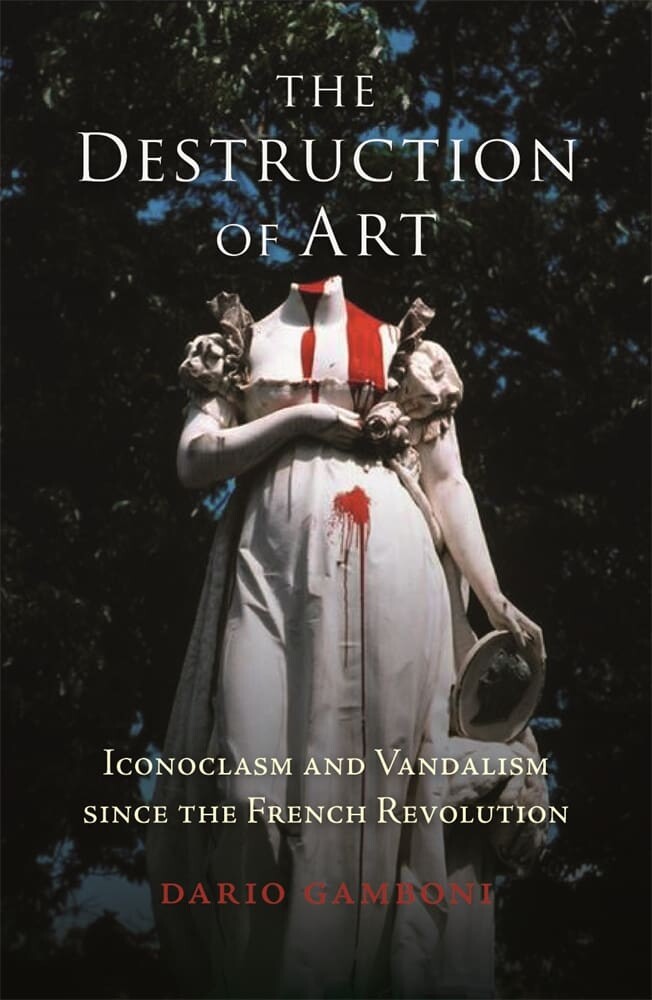
The Destruction of Art
Iconoclasm and Vandalism since the French Revolution
Dario GamboniIn January 2006 a man tried to break Marcel Duchamp’s Fountain sculpture with a small hammer. The sculpted foot of Michelangelo’s David was damaged in 1991 by a purportedly mentally ill artist. Each such incident confronts us with the unsettling dynamic between destruction and art. Renowned art historian Dario Gamboni is the first to tackle this weighty issue in depth.
Starting with the sweeping obliteration of architecture and art under the Communist regimes of the Soviet Union and Eastern Bloc, Gamboni investigates other instances of destruction around the globe, uncovering a surprisingly widespread phenomenon. As he demonstrates through analyses of nineteenth- and twentieth-century incidents in the u.s. and Europe, a complex relationship exists between the evolution of modern art and a long history of iconoclasm. Gamboni probes the concept of artists’ rights, the power of political protest and the ways in which iconoclasm offers a unique interpretation of society’s relationship to art and material culture.
This compelling and thought-provoking study, now in B-format paperback and with a new preface by the author, forces us to rethink the ways in which we interact with art and its power to shock or subdue.
In January 2006 a man tried to break Marcel Duchamp’s Fountain sculpture with a small hammer. The sculpted foot of Michelangelo’s David was damaged in 1991 by a purportedly mentally ill artist. Each such incident confronts us with the unsettling dynamic between destruction and art. Renowned art historian Dario Gamboni is the first to tackle this weighty issue in depth.
Starting with the sweeping obliteration of architecture and art under the Communist regimes of the Soviet Union and Eastern Bloc, Gamboni investigates other instances of destruction around the globe, uncovering a surprisingly widespread phenomenon. As he demonstrates through analyses of nineteenth- and twentieth-century incidents in the u.s. and Europe, a complex relationship exists between the evolution of modern art and a long history of iconoclasm. Gamboni probes the concept of artists’ rights, the power of political protest and the ways in which iconoclasm offers a unique interpretation of society’s relationship to art and material culture.
This compelling and thought-provoking study, now in B-format paperback and with a new preface by the author, forces us to rethink the ways in which we interact with art and its power to shock or subdue.
-
'
Well-illustrated . . . Gamboni brings together a great deal of fascinating information.
'The Independent
-
'
Erudite and entertaining, Gambonis book is an excellent guide to the outrageous in art.
'Glasgow Herald
Preface to the new edition
Introduction
1 Theories and Methods
2 A Historical Outline
3 The Fall of the ‘Communist Monuments’
4 Political Iconoclasm in Democratic Societies
5 Outside the First World
6 Iconoclasm and Multiplication
7 Free Art and the ‘Free World’
8 Legal Abuse
9 The Degradation of Art in Public Places 208 10 Museums and Pathology
11 ‘Embellishing Vandalism’
12 Reformations of Church Art
13 Modern Art and Iconoclasm
14 Mistaking Art for Refuse
15 Disqualification and Heritage
References
Bibliography
Acknowledgements
Photo Acknowledgements
Index
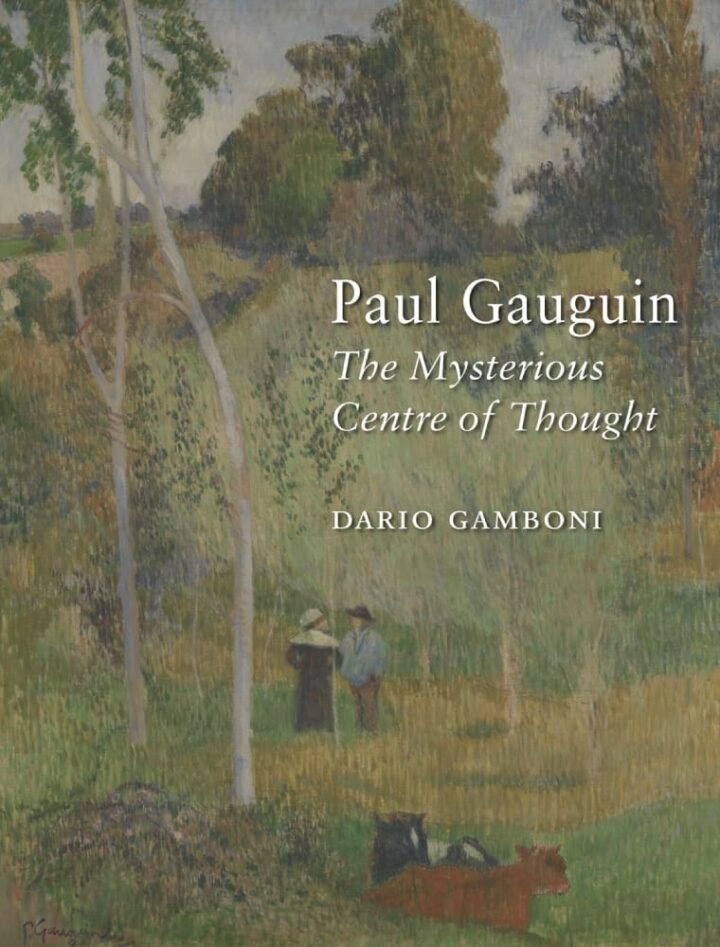
Dario Gamboni is Professor of Art History at the University of Geneva. He has written widely in the field of art history, and his books include Potential Images: Ambiguity and Indeterminacy in Modern Art (2002) and Paul Gauguin: The Mysterious Centre of Thought (2014), both published by Reaktion Books.