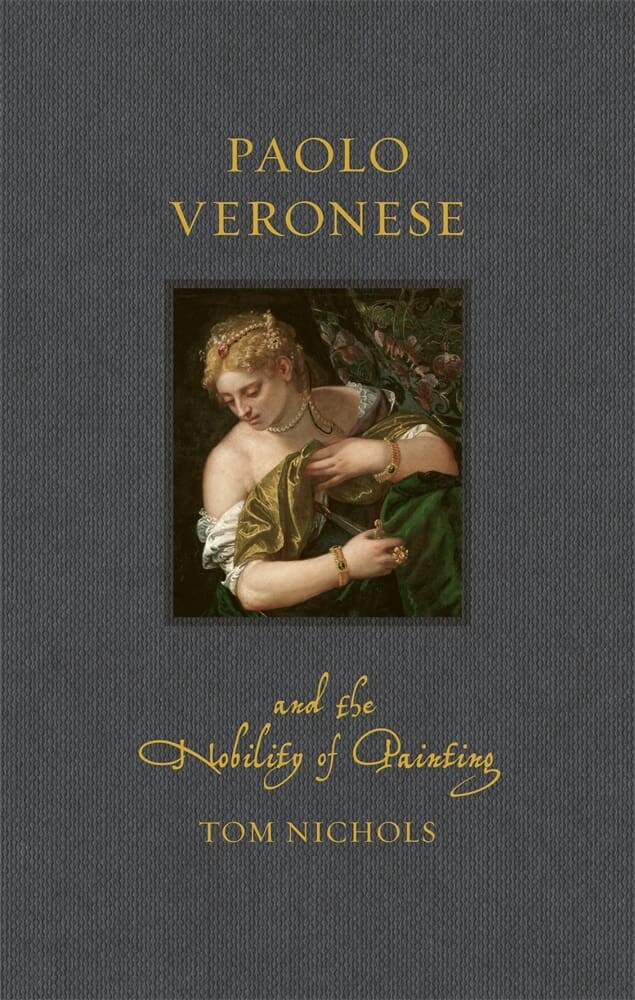
Paolo Veronese and the Nobility of Painting
Tom NicholsA reappraisal of Veronese’s art as politically charged visual independence.
Paolo Veronese’s sumptuous paintings, with their vibrant colours and theatrical elegance, have often been admired for their surface beauty but also questioned for perceived excess and detachment. In this incisive study, Tom Nichols reconsiders Veronese’s pictorial language not as superficial display, but as a deliberate visual strategy that resisted the hierarchies and exclusions of sixteenth-century Venetian society. Through detailed analysis of major works, Nichols highlights the painter’s striking inclusion of marginal figures – women, servants, people of colour and the poor – within scenes of civic and sacred grandeur. Far from a passive decorator, Veronese emerges as a subtle commentator on power, dignity and the possibilities of art.
A reappraisal of Veronese’s art as politically charged visual independence.
Paolo Veronese’s sumptuous paintings, with their vibrant colours and theatrical elegance, have often been admired for their surface beauty but also questioned for perceived excess and detachment. In this incisive study, Tom Nichols reconsiders Veronese’s pictorial language not as superficial display, but as a deliberate visual strategy that resisted the hierarchies and exclusions of sixteenth-century Venetian society. Through detailed analysis of major works, Nichols highlights the painter’s striking inclusion of marginal figures – women, servants, people of colour and the poor – within scenes of civic and sacred grandeur. Far from a passive decorator, Veronese emerges as a subtle commentator on power, dignity and the possibilities of art.
-
'
Through a series of brilliant visual analyses of Veronese’s paintings, Nichols’s book highlights the feminization of the artist’s ravishingly beautiful visual world as well as the sustained attention that he paid to those on the margins of society. Veronese emerges as an aristocratic painter but never a socially exclusive one. His tendency toward pictorial inclusivity is explored for the first time in this compelling and sharply observed study that casts fresh light on one of the greatest masters of the Venetian Renaissance.
'Marie-Louise Lillywhite, Fellow by Special Election, Keble College, University of Oxford
Introduction
1 Earlier Works
2 San Sebastiano, Portraits, Villa Barbaro
3 Religious Paintings of the 1560s and ’70s
4 Biblical Feasts
5 Mythologies and Allegories
6 Late Works
Conclusion
Chronology
References
Further Reading
Acknowledgements
Photo Acknowledgements
Index
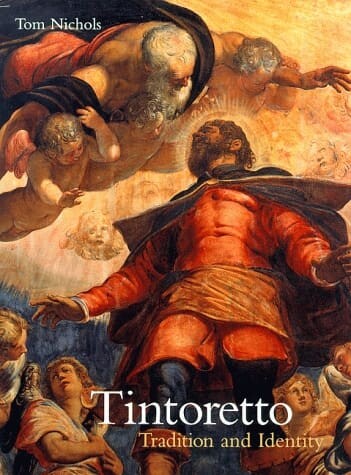
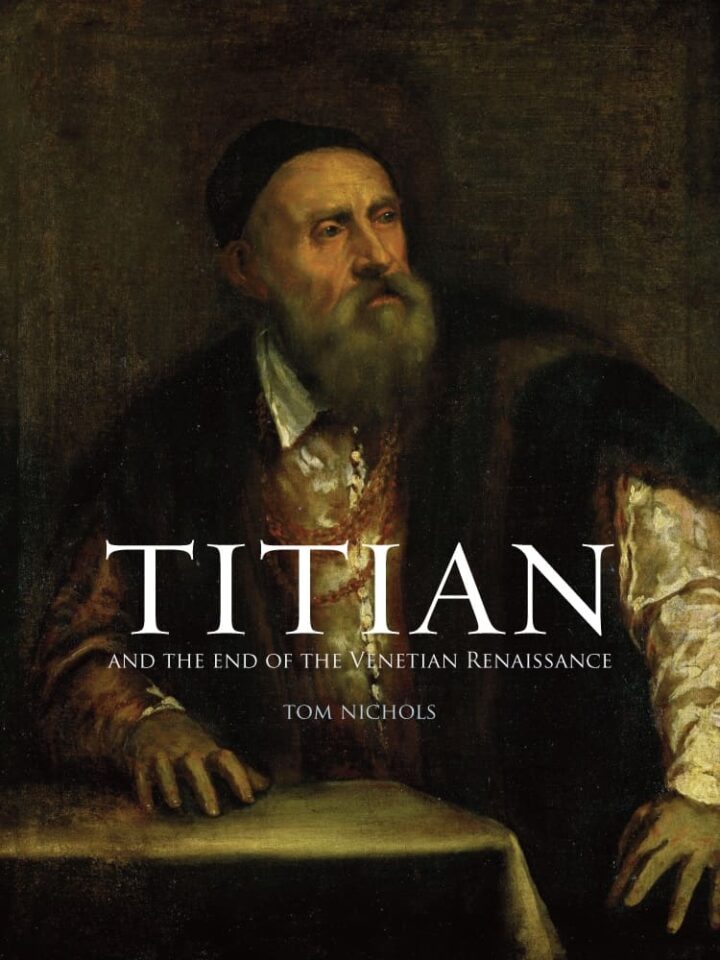
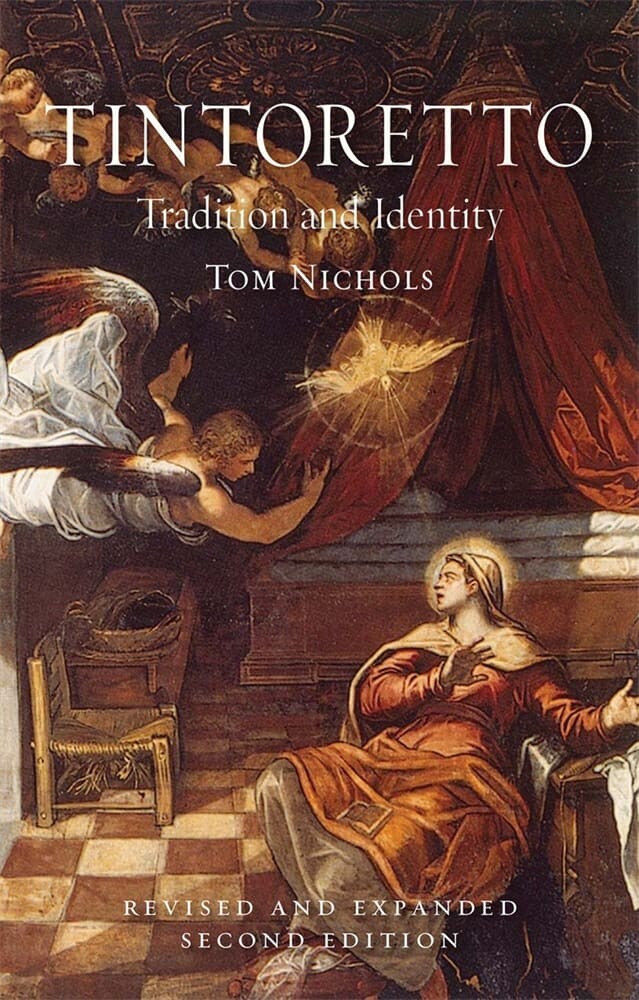
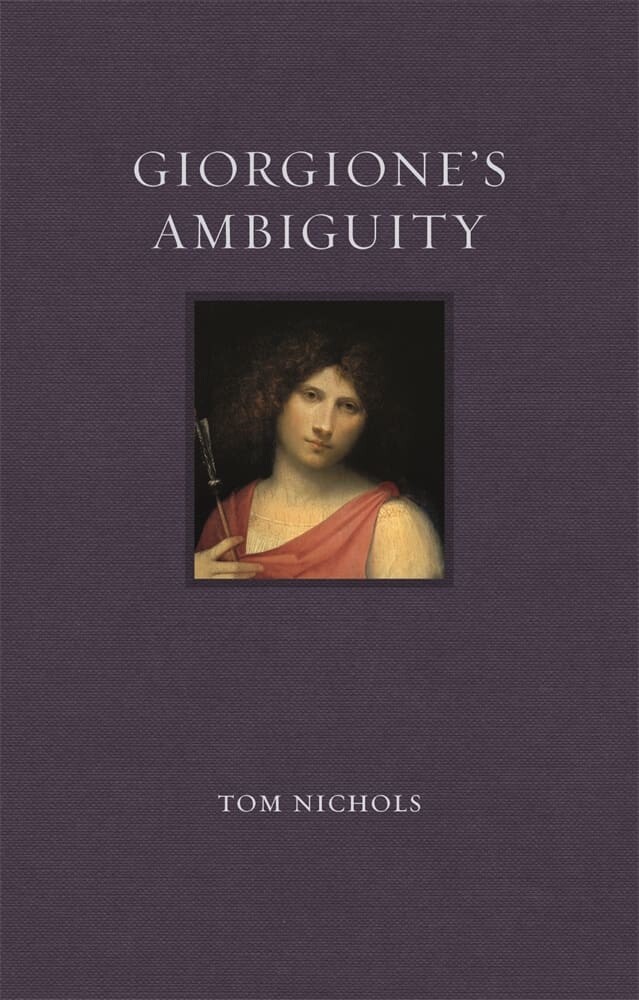
Tom Nichols is Honorary Senior Research Fellow at the University of Glasgow. His previous books include Titian and the End of the Venetian Renaissance (2013), Tintoretto (2015) and Giorgione’s Ambiguity (2020), all published by Reaktion Books.