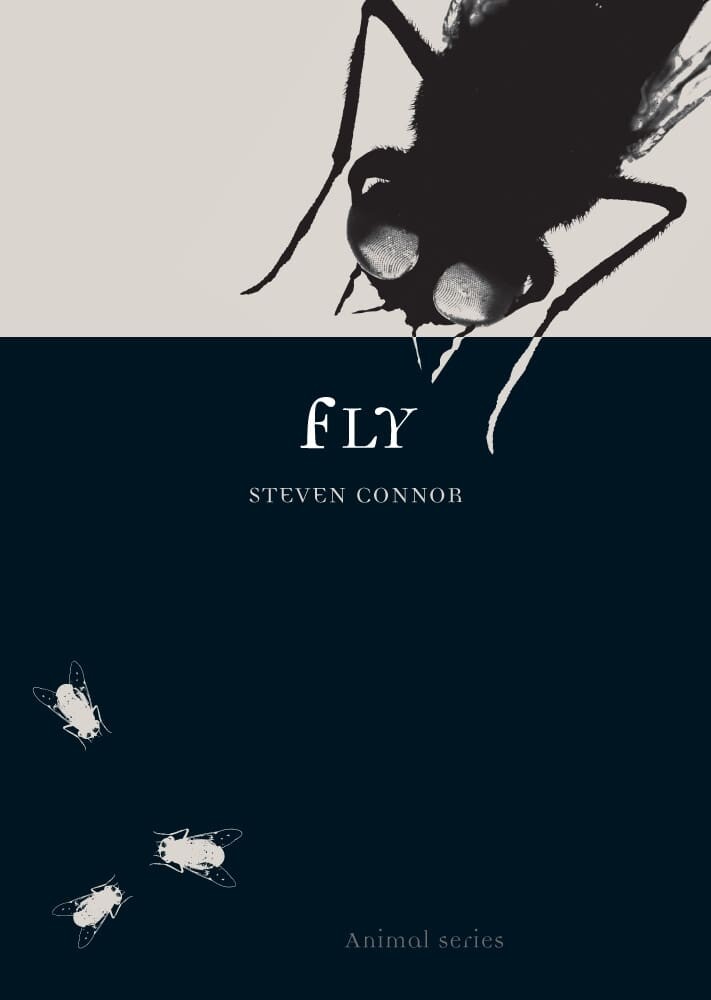
Fly
Steven ConnorFew creatures live in such close and intimate contact with human beings as flies. The secrets of the fly's uniquely versatile powers of flight are only just beginning to be understood and harnessed. This book explores the slow redemption of the fly, as the intricate miracle of its design and function gradually became appreciated.
Few creatures live in such close and intimate contact with human beings as flies. As ‘the constant, immemorial witnesses to the human comedy’, flies accompany human beings wherever they go, even beyond (or at least into) the grave. Almost one tenth of all the species known to science are flies.
For centuries, flies have been seen as mankind's enemy, blamed for plagues, subject to public excommunication in the Middle Ages and campaigns of extermination during the early years of the twentieth century. As ‘Lord of the Flies’, Beelzebub is the embodiment of evil. For many centuries, flies were thought to be produced by spontaneous generation, and thus not to be legitimate parts of God's creation. From St John Chrysostomos through to David Cronenberg, flies – and, more especially, their maggots – have represented the horror of the formless. And yet human beings have also found it easy to identify with the weakness and vulnerability of their intimate enemies - and even occasionally to admire their pursuit of pleasure.
Fly explores the slow redemption of the fly, as the intricate miracle of its design and function gradually became appreciated. The secrets of the fly’s uniquely versatile powers of flight are only just beginning to be understood and harnessed. The twentieth century that began with worldwide campaigns for the extermination of the fly ended with the humble fruit fly at the centre of the revolution brought about by genetics.
Connor delights in tracking his lowly subject through myth, literature, poetry, painting, film, and biology. Humans live in close and intimate quarters with flies, but Fly is the first book to give these common creatures their due.
Few creatures live in such close and intimate contact with human beings as flies. The secrets of the fly's uniquely versatile powers of flight are only just beginning to be understood and harnessed. This book explores the slow redemption of the fly, as the intricate miracle of its design and function gradually became appreciated.
Few creatures live in such close and intimate contact with human beings as flies. As ‘the constant, immemorial witnesses to the human comedy’, flies accompany human beings wherever they go, even beyond (or at least into) the grave. Almost one tenth of all the species known to science are flies.
For centuries, flies have been seen as mankind's enemy, blamed for plagues, subject to public excommunication in the Middle Ages and campaigns of extermination during the early years of the twentieth century. As ‘Lord of the Flies’, Beelzebub is the embodiment of evil. For many centuries, flies were thought to be produced by spontaneous generation, and thus not to be legitimate parts of God's creation. From St John Chrysostomos through to David Cronenberg, flies – and, more especially, their maggots – have represented the horror of the formless. And yet human beings have also found it easy to identify with the weakness and vulnerability of their intimate enemies - and even occasionally to admire their pursuit of pleasure.
Fly explores the slow redemption of the fly, as the intricate miracle of its design and function gradually became appreciated. The secrets of the fly’s uniquely versatile powers of flight are only just beginning to be understood and harnessed. The twentieth century that began with worldwide campaigns for the extermination of the fly ended with the humble fruit fly at the centre of the revolution brought about by genetics.
Connor delights in tracking his lowly subject through myth, literature, poetry, painting, film, and biology. Humans live in close and intimate quarters with flies, but Fly is the first book to give these common creatures their due.
-
'
In Fly, Steven Connor undertakes the monumental task of acquainting a prejudiced public with the spectacular diversity of Diptera. The book is a tour de force of all manner of flies through both scientific and cultural lenses . . . The illustrations are an unremitting delight the author has done a fantastic job of hunting down images . . . Fly is a joy to read . . .
'Science
-
'
Fly is a fascinating little volume, informative because of the imaginative breadth of material used to reflect mankind's attitude to the flies that have shared our lives for millennia . . . the text is interspersed with fascinating illustrations . . . This is a compact work of scholarship, well researched and well referenced, both from entomological and literary standpoints. I commend it to any reader whose view is broader than a microscope tube.
'British Journal of Entomology and Natural History
-
'
. . . a very interesting read . . . highly recommended
'European Journal of Entomology
-
'
In Fly, Connor weaves art, literature, science, entomology, and history together to provide a fascinating read and which offers not only interesting overviews of human relations with, and attitudes towards flies, but some fascinating facts which will remain with you long after the book is finished.
'Anthrozoös
1. Fly Familiar
2. Musca Maledicta
3. Sticky Fun
4. Orders of Magnitude
5. Fly Wars
6. Mutable Fly
7. Fly Leaves
Timeline
References
Bibliography
Associations and Websites
Photo Acknowledgements
Index
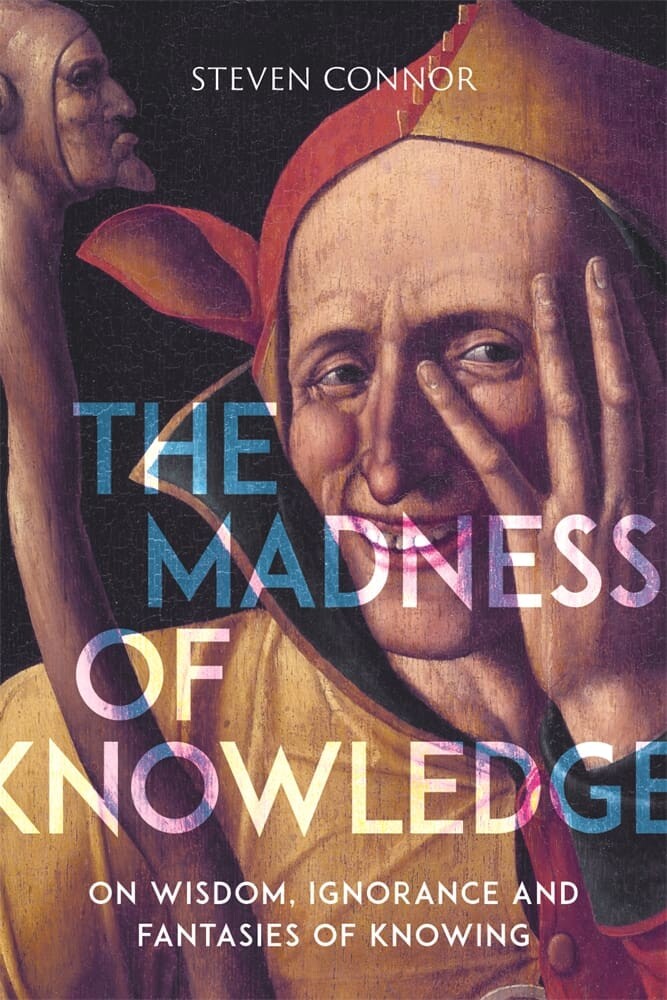
Steven Connor is Professor of English and Director of Research at the Digital Futures Institute, King’s College London. He is the author of eighteen books, most recently The Madness of Knowledge: On Wisdom, Ignorance and Fantasies of Knowing (2019).