


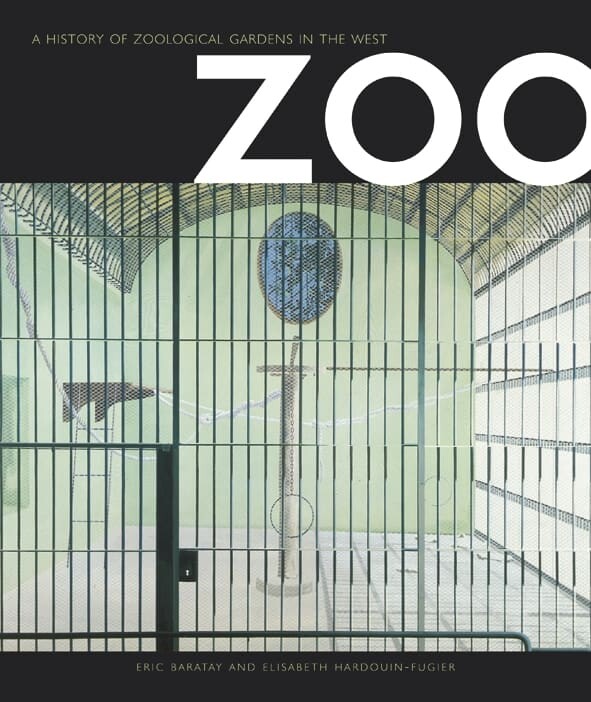
Zoo
A History of Zoological Gardens in the West
Eric BaratayWild animals have fascinated human observers since time immemorial. The story of our interest in collecting, classifying and dominating Nature looms large; thus it is surprising that the history of menageries, zoological gardens and zoos as we know them has been so poorly documented. This addresses this gap.
Wild animals have fascinated human observers since time immemorial. The story of our interest in collecting, classifying and dominating Nature looms large; thus it is surprising that the history of menageries, zoological gardens and zoos as we know them today has been so poorly documented. This gap is addressed by Zoo.
In the Renaissance, wealthy aristocrats showcased exotic beasts in private menageries. Safely caged, animals inspired the interest of naturalists and fed the curiosity of the masses. By the nineteenth century, increased urbanization and colonization aided the expansion of zoos in which animals were tamed to serve as domesticated livestock. Nowadays, with many natural habitats under threat of extinction, the social function of zoos is less clear. Such institutions both present the illusion of wild animals in a natural state to a nostalgic public and find themselves justifying their existence as saviours of endangered species.
Wild animals have fascinated human observers since time immemorial. The story of our interest in collecting, classifying and dominating Nature looms large; thus it is surprising that the history of menageries, zoological gardens and zoos as we know them has been so poorly documented. This addresses this gap.
Wild animals have fascinated human observers since time immemorial. The story of our interest in collecting, classifying and dominating Nature looms large; thus it is surprising that the history of menageries, zoological gardens and zoos as we know them today has been so poorly documented. This gap is addressed by Zoo.
In the Renaissance, wealthy aristocrats showcased exotic beasts in private menageries. Safely caged, animals inspired the interest of naturalists and fed the curiosity of the masses. By the nineteenth century, increased urbanization and colonization aided the expansion of zoos in which animals were tamed to serve as domesticated livestock. Nowadays, with many natural habitats under threat of extinction, the social function of zoos is less clear. Such institutions both present the illusion of wild animals in a natural state to a nostalgic public and find themselves justifying their existence as saviours of endangered species.
Introduction: The Call of the Wild
I. The Passion for Collecting (1500s to 1700s)
—1. Ancient Trophies
—2. The Aristocracy's New-found Curiosity
—3. Baroque Scenography
—4. Popular Pleasures
II. The Need for Control (1800s)
—5. The Elite and the Invention of the Zoo
—6. Imperial Glory
—7. The Exploitation of Nature
—8. The Thrill of the Wild
III. The Yearning for Nature (1900s)
—9. A Public Quest
—10. The Illusions of Liberty
—11. The Imitation of Nature
—Epilogue
IV. Zoos Through the Ages
V. Artists and the Zoo
References
Photographic Acknowledgements
Index
Eric Baratay is Senior Lecturer in History at the Université Jean-Moulin, Lyon.