


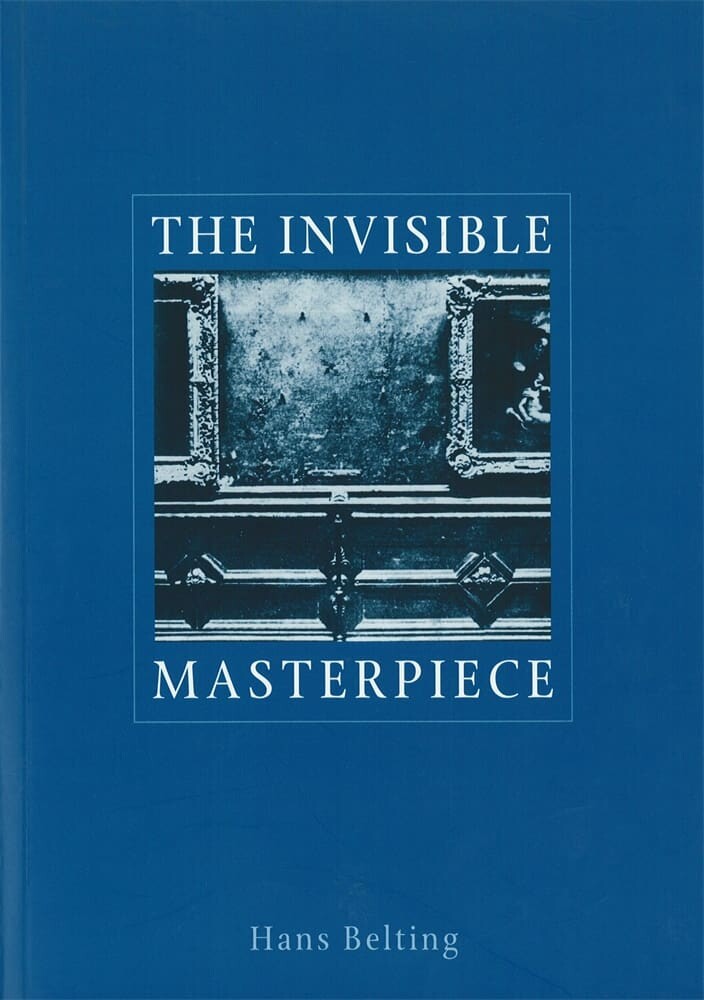
The Invisible Masterpiece
Hans BeltingThe 'invisible masterpiece' is an unattainable ideal, a work into which a dream of absolute art is incorporated but can never be realized. This book shows the variety of ways in which the status and meaning of the masterpiece have been elevated and denigrated since the early nineteenth century.
The ‘invisible masterpiece’ is an unattainable ideal, a work into which a dream of absolute art is incorporated but can never be realized. By means of this metaphor borrowed from Balzac, Hans Belting shows the variety of ways in which the status and meaning of the masterpiece have been elevated and denigrated since the early nineteenth century. The history of the masterpiece coincided with the history of the public museum. Leonardo’s Mona Lisa and other celebrated paintings preoccupied later artists, who felt burdened by the one-time cult of the masterpiece as it had been transformed into the cult of visible works of art. Following Duchamp, artists became increasingly resistant to the notion of the masterpiece. Beginning in the 1960s, Conceptual and Minimal artists concentrated on ephemeral forms and manufactured multiple copies in order to reject the outmoded status of the one-off masterpiece and the art market that fed off it. The Invisible Masterpiece reveals works, events and individuals in the history of Western art in a wholly novel way.
The 'invisible masterpiece' is an unattainable ideal, a work into which a dream of absolute art is incorporated but can never be realized. This book shows the variety of ways in which the status and meaning of the masterpiece have been elevated and denigrated since the early nineteenth century.
The ‘invisible masterpiece’ is an unattainable ideal, a work into which a dream of absolute art is incorporated but can never be realized. By means of this metaphor borrowed from Balzac, Hans Belting shows the variety of ways in which the status and meaning of the masterpiece have been elevated and denigrated since the early nineteenth century. The history of the masterpiece coincided with the history of the public museum. Leonardo’s Mona Lisa and other celebrated paintings preoccupied later artists, who felt burdened by the one-time cult of the masterpiece as it had been transformed into the cult of visible works of art. Following Duchamp, artists became increasingly resistant to the notion of the masterpiece. Beginning in the 1960s, Conceptual and Minimal artists concentrated on ephemeral forms and manufactured multiple copies in order to reject the outmoded status of the one-off masterpiece and the art market that fed off it. The Invisible Masterpiece reveals works, events and individuals in the history of Western art in a wholly novel way.
-
'
With customary scholarship, Mr Belting invokes vivid examples . . . the material is rich and always rewarding.
'The Economist
-
'
This long, densely argued book . . . is extraordinarily good, informative, knowledgeable and fascinating.
'The Sunday Times
Hans Belting is Professor of Art History and Media Theory at the Hochschule für Gestaltung, Karlsruhe, Germany, and Visiting Professor at Columbia University, New York. He is the author of Likeness and Presence: A History of the Image before the Era of Art (1994).