Reflections on Baroque
Robert HarbisonFrom its beginnings in the seventeenth century, the Baroque embraced the whole of Catholic Europe and infiltrated Protestant England, Orthodox Russia and even Muslim Turkey. This title offers readings that stress its eccentric and tumultuous forms, in which a destablized sense of reality is often projected onto the viewer.
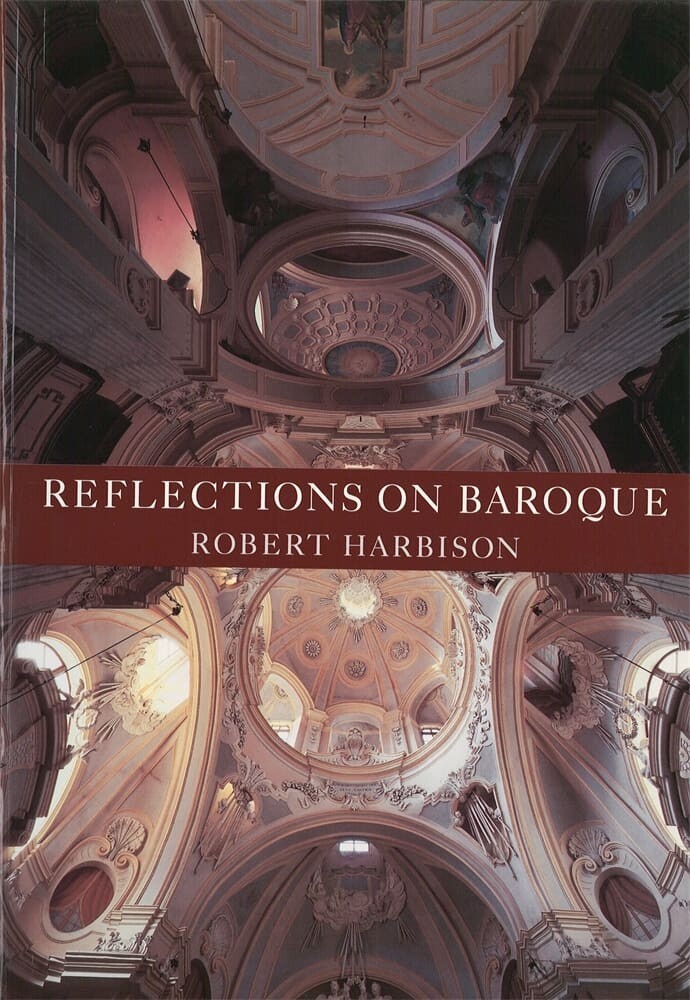
From its beginnings in the seventeenth century, the Baroque embraced the whole of Catholic Europe and infiltrated Protestant England, Orthodox Russia and even Muslim Turkey. Architecture, paintings, poetry, music, natural science and new forms of piety all have their places on the Baroque map. In this surprising reinterpretation of the Baroque, Robert Harbison offers new readings that stress its eccentric and tumultuous forms, in which a destabilized sense of reality is often projected onto the viewer. This strange, subjectively inclined world is manifested in such bizarre phenomena as the small stuccoed universes of Giacomo Serpotta, the Sacred Mounts of Piedmont and the grimacing heads of F. X. Messerschmidt.
Harbison explores the Baroque’s metamorphoses into later styles, particularly the Rococo, and, in an unexpected twist, pursues the Baroque idea into the nineteenth and twentieth centuries, proposing provocative analyses of pastiches or imitations (in Der Rosenkavalier and the work of Aubrey Beardsley) or resemblances (deliberate or not) in Czech Cubism and Frank Gehry's architecture. Reflections on Baroque demonstrates that the Baroque impulse lives on in the twenty-first century imagination.
From its beginnings in the seventeenth century, the Baroque embraced the whole of Catholic Europe and infiltrated Protestant England, Orthodox Russia and even Muslim Turkey. This title offers readings that stress its eccentric and tumultuous forms, in which a destablized sense of reality is often projected onto the viewer.
From its beginnings in the seventeenth century, the Baroque embraced the whole of Catholic Europe and infiltrated Protestant England, Orthodox Russia and even Muslim Turkey. Architecture, paintings, poetry, music, natural science and new forms of piety all have their places on the Baroque map. In this surprising reinterpretation of the Baroque, Robert Harbison offers new readings that stress its eccentric and tumultuous forms, in which a destabilized sense of reality is often projected onto the viewer. This strange, subjectively inclined world is manifested in such bizarre phenomena as the small stuccoed universes of Giacomo Serpotta, the Sacred Mounts of Piedmont and the grimacing heads of F. X. Messerschmidt.
Harbison explores the Baroque’s metamorphoses into later styles, particularly the Rococo, and, in an unexpected twist, pursues the Baroque idea into the nineteenth and twentieth centuries, proposing provocative analyses of pastiches or imitations (in Der Rosenkavalier and the work of Aubrey Beardsley) or resemblances (deliberate or not) in Czech Cubism and Frank Gehry's architecture. Reflections on Baroque demonstrates that the Baroque impulse lives on in the twenty-first century imagination.
From its beginnings in the seventeenth century, the Baroque embraced the whole of Catholic Europe and infiltrated Protestant England, Orthodox Russia and even Muslim Turkey. This title offers readings that stress its eccentric and tumultuous forms, in which a destablized sense of reality is often projected onto the viewer.
From its beginnings in the seventeenth century, the Baroque embraced the whole of Catholic Europe and infiltrated Protestant England, Orthodox Russia and even Muslim Turkey. Architecture, paintings, poetry, music, natural science and new forms of piety all have their places on the Baroque map. In this surprising reinterpretation of the Baroque, Robert Harbison offers new readings that stress its eccentric and tumultuous forms, in which a destabilized sense of reality is often projected onto the viewer. This strange, subjectively inclined world is manifested in such bizarre phenomena as the small stuccoed universes of Giacomo Serpotta, the Sacred Mounts of Piedmont and the grimacing heads of F. X. Messerschmidt.
Harbison explores the Baroque’s metamorphoses into later styles, particularly the Rococo, and, in an unexpected twist, pursues the Baroque idea into the nineteenth and twentieth centuries, proposing provocative analyses of pastiches or imitations (in Der Rosenkavalier and the work of Aubrey Beardsley) or resemblances (deliberate or not) in Czech Cubism and Frank Gehry's architecture. Reflections on Baroque demonstrates that the Baroque impulse lives on in the twenty-first century imagination.
-
'
Harbisons remarkable book considerably enlarges and enriches the concept of the baroque . . . In Harbisons writing there is the energy of someone seeing, and seeing passionately, everything for the first time. There are no conventional judgements . . . as a rule he is resistant to schemes of thought, generalizing themes, or anything that might get in the way of his seeing the work for itself.
'Times Literary Supplement
-
'
Harbison writes beautifully and is an engaging and erudite companion. He has a gift for capturing a building, poem, painting, or garden with a telling detail. His descriptions are highly personal, written, one can tell, from the point of view of someone who has walked around and explored, and had looked intently at each of the works he includes in the narrative.
'Architectural Association
-
'
[A] complex and stimulating book
'Architectural Review
-
'
The task is demanding, but it is perfect for territory for Harbison, who uses his profound understanding of the arts to write with considerable flair and insight on Baroque tendencies . . . Harbison reflects eloquently on parallels between art, architecture, music and literature from the early seventeenth century to the late twentieth.
'The Architects Journal
-
'
Reflections on Baroque is not so much a work of criticism as an intellectual adventure. It is exhilarating, brilliant, lateral-thinking and beautifully written.
'The Daily Telegraph
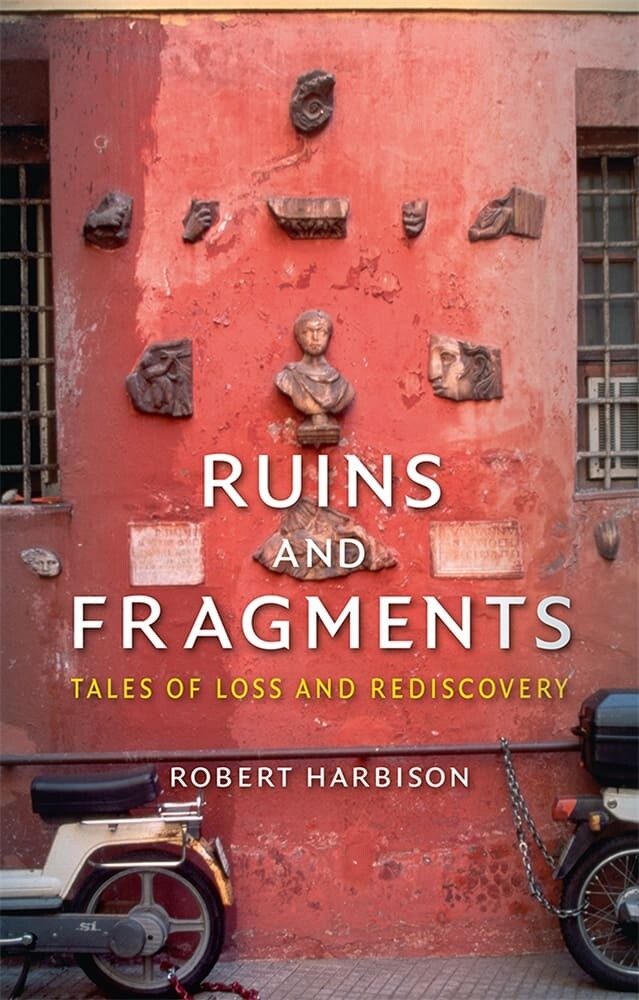
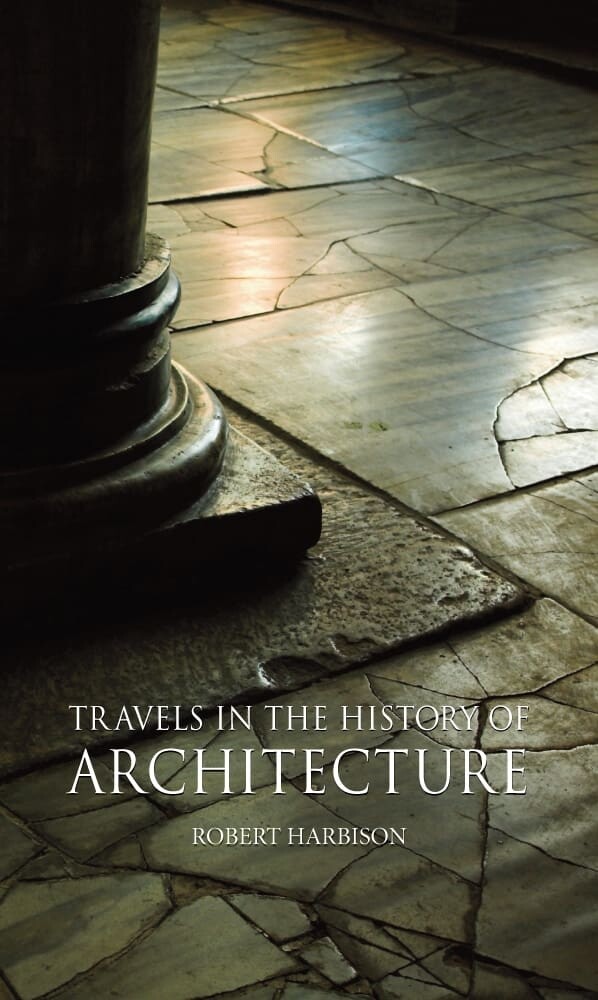
Robert Harbison is former Professor of Architecture at London Metropolitan University. He is the author of many books including Eccentric Spaces (1977), The Built, the Unbuilt and the Unbuildable (1991), Reflections on Baroque (Reaktion, 2000), Travels in the History of Architecture (Reaktion, 2010) and Ruins and Fragments: Tales of Loss and Rediscovery (Reaktion, 2015).