


Peter Lanyon
Modernism and the Land
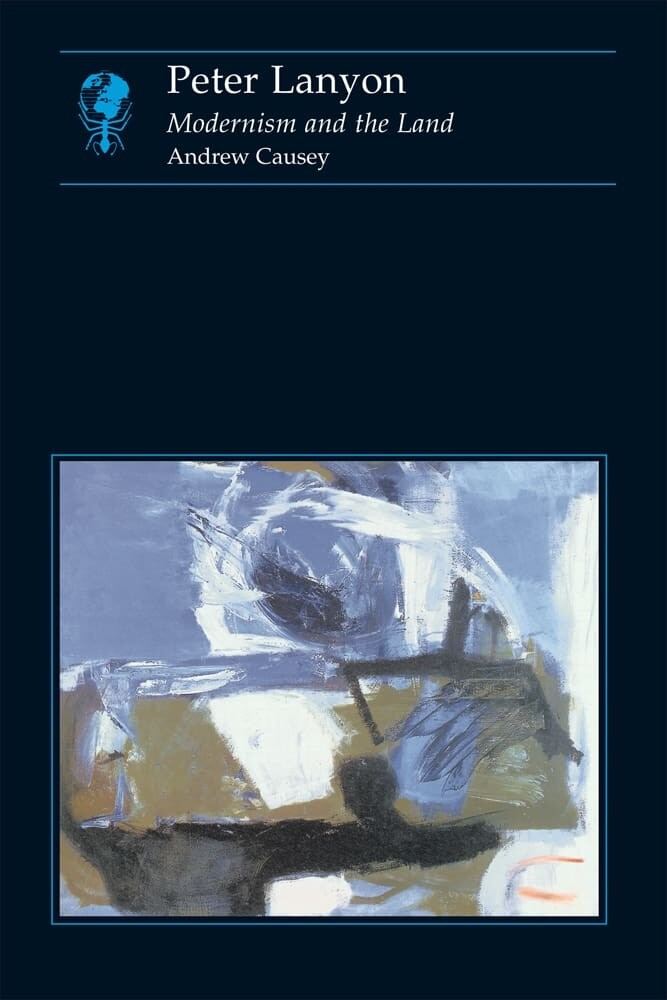
Andrew CauseyPeter Lanyon transformed the art of landscape, rescuing it from the picturesque and bringing it back to the centre as a radical practice capable of expressing radical ideas. This book sets out to explain just what this transformation involved. It offers fresh reflections on Lanyon's relationship with both American art and post-war Paris.
Peter Lanyon transformed the art of landscape, rescuing it from the picturesque and bringing it back to the centre as a radical practice capable of expressing radical ideas. In this book, Andrew Causey sets out to explain just what this transformation involved. Offering new reflections on Lanyon’s relationship with both American art and post-war Paris, he suggests how Lanyon’s art should be situated internationally in the post-Second World War period. A central concern of the book is to re-examine ‘St Ives’ with which Lanyon is traditionally associated. Causey argues that this association encloses and limits Lanyon, who was an artist of broader ambition and wider cast of mind than most, if not all, of his colleagues there. Lanyon’s concern with regional identity and his resistance to what he saw as a history of outside exploitation of his native western Cornwall, was integral to his rejection of the picturesque in landscape painting.
Causey draws on recent work by cultural geographers, anthropologists and archaeologists to explain Lanyon’s relationship with the landscape and the pre-capitalist social economy of his region. He argues that Lanyon is an exception to the European tradition of landscape where painting has been concerned mainly with ownership and leisure and not work. Yet Lanyon’s pictures were about local historical industries such as mining, farming and fishing which had more or less disappeared by the 1950s. Causey examines the elegiac nature of some of Lanyon’s early work and asks to what extent his experience of war, death and physical destruction map onto his presentation of the imagery of western Cornwall. He also looks at how far Lanyon should be associated with the new American painting and the search for the sublime, and suggests a need to reshape language relating to landscape art to make it appropriate for Lanyon’s period.
Peter Lanyon transformed the art of landscape, rescuing it from the picturesque and bringing it back to the centre as a radical practice capable of expressing radical ideas. This book sets out to explain just what this transformation involved. It offers fresh reflections on Lanyon's relationship with both American art and post-war Paris.
Peter Lanyon transformed the art of landscape, rescuing it from the picturesque and bringing it back to the centre as a radical practice capable of expressing radical ideas. In this book, Andrew Causey sets out to explain just what this transformation involved. Offering new reflections on Lanyon’s relationship with both American art and post-war Paris, he suggests how Lanyon’s art should be situated internationally in the post-Second World War period. A central concern of the book is to re-examine ‘St Ives’ with which Lanyon is traditionally associated. Causey argues that this association encloses and limits Lanyon, who was an artist of broader ambition and wider cast of mind than most, if not all, of his colleagues there. Lanyon’s concern with regional identity and his resistance to what he saw as a history of outside exploitation of his native western Cornwall, was integral to his rejection of the picturesque in landscape painting.
Causey draws on recent work by cultural geographers, anthropologists and archaeologists to explain Lanyon’s relationship with the landscape and the pre-capitalist social economy of his region. He argues that Lanyon is an exception to the European tradition of landscape where painting has been concerned mainly with ownership and leisure and not work. Yet Lanyon’s pictures were about local historical industries such as mining, farming and fishing which had more or less disappeared by the 1950s. Causey examines the elegiac nature of some of Lanyon’s early work and asks to what extent his experience of war, death and physical destruction map onto his presentation of the imagery of western Cornwall. He also looks at how far Lanyon should be associated with the new American painting and the search for the sublime, and suggests a need to reshape language relating to landscape art to make it appropriate for Lanyon’s period.
-
'
Causey has returned to pluck Lanyon from St Ives provincialism and reposition him as a pioneering figure in the wider national and international Modernist movement . . . Causeys book convinces by the sheer weight of research and by arguments which repay a second reading
'TLS
Introduction
1. Artist and Community
2. St. Ives
3. Porthleven
4. St. Just
5. Figure and Landscape
6. 'Our Last Landscape Painter'
7. The Sixties
References
Acknowledgements
List of Illustrations
Andrew Causey is Professor of Modern Art History at the University of Manchester, and has published numerous books of modern British art and international sculpture