


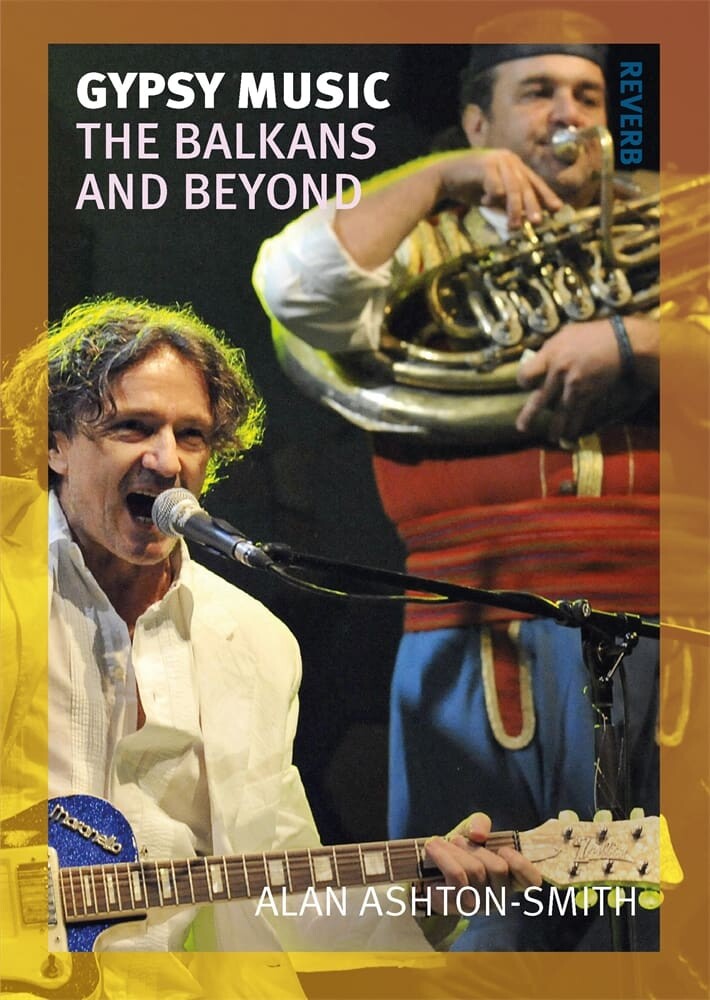
Gypsy Music
The Balkans and Beyond
Alan Ashton-SmithThe figure of the gypsy is simultaneously vilified and romanticized. Gypsies have for centuries been associated with criminality and dirt, but also with colour, magic and music. Gypsy music is popular around the world, and is performed at occasions that include weddings in Bulgaria, jazz shows in Paris and festivals in the USA. Performers like Taraf de Haïdouks and the Boban Marković Orkestar remain popular for their more traditional sounds, while groups such as Gogol Bordello have gained new audiences with experimental and hybridized forms.
The Balkans is home to the world’s largest Romani populations and a major site of gypsy music production. But just as the traditionally nomadic Roma have travelled globally, so has their music, and gypsy music styles have roots and associations beyond the Balkans, including Russian Romani guitar music, flamenco, gypsy jazz and the more recent forms of gypsy punk and Balkan beats.
Covering the thirteenth century to the present day, and with a geographical scope that ranges from rural Romania to New York by way of Budapest, Moscow and Andalusia, Gypsy Music reveals the remarkable diversity of this exuberant art form.
The figure of the gypsy is simultaneously vilified and romanticized. Gypsies have for centuries been associated with criminality and dirt, but also with colour, magic and music. Gypsy music is popular around the world, and is performed at occasions that include weddings in Bulgaria, jazz shows in Paris and festivals in the USA. Performers like Taraf de Haïdouks and the Boban Marković Orkestar remain popular for their more traditional sounds, while groups such as Gogol Bordello have gained new audiences with experimental and hybridized forms.
The Balkans is home to the world’s largest Romani populations and a major site of gypsy music production. But just as the traditionally nomadic Roma have travelled globally, so has their music, and gypsy music styles have roots and associations beyond the Balkans, including Russian Romani guitar music, flamenco, gypsy jazz and the more recent forms of gypsy punk and Balkan beats.
Covering the thirteenth century to the present day, and with a geographical scope that ranges from rural Romania to New York by way of Budapest, Moscow and Andalusia, Gypsy Music reveals the remarkable diversity of this exuberant art form.
Alan Ashton-Smith is a writer and critic with interests in music and immigrant cultures. He has previously published on Romani Studies, contemporary East European and English literature and popular music. He is currently Research Development Manager for Arts and Humanities at King’s College London.