


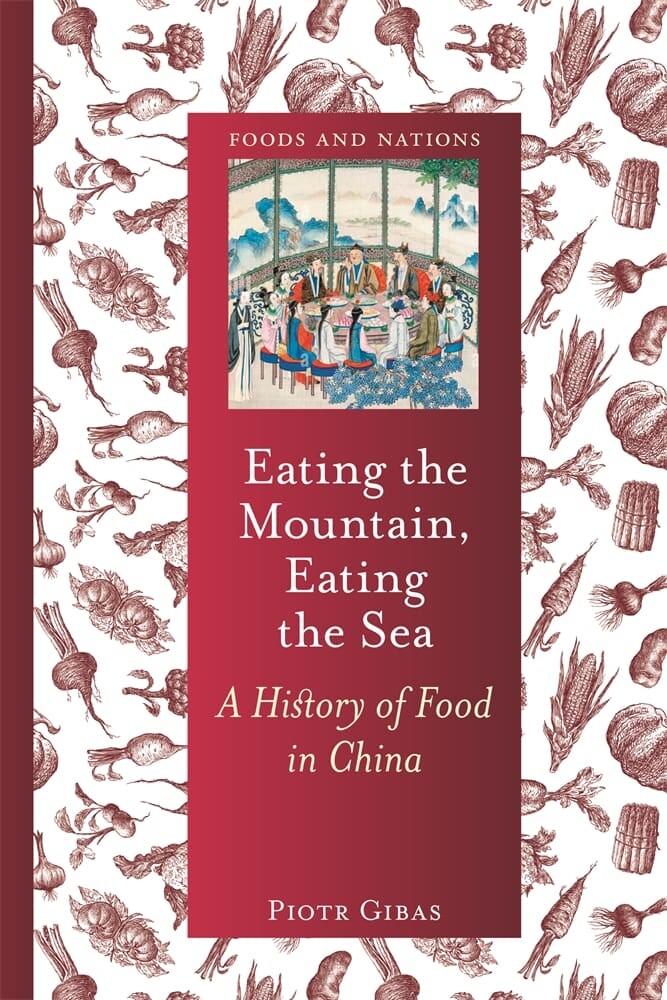
Eating the Mountain, Eating the Sea
A History of Food in China
Piotr GibasAn authentic guide to Chinese cuisine’s diversity and significance worldwide
Chinese cuisine is one of the world’s most celebrated and complex culinary traditions, yet much about it remains misunderstood. Beyond the stereotypes of exotic ingredients or the familiar dishes served in Chinese restaurants in Western countries, the reality of Chinese food is deeply regional, historical and culturally significant. This book demystifies Chinese cuisine by examining five foundational ingredients that underpin its foodways and traces how they are employed across eight major regions, from Sichuan’s fiery flavours to Guangdong’s delicate dim sum. Eating the Mountain, Eating the Sea shows that understanding what Chinese people really eat offers insights into China’s culture, identity and global influence. This is a fascinating guide for food lovers, students and anyone interested in China’s culinary heritage.
An authentic guide to Chinese cuisine’s diversity and significance worldwide
Chinese cuisine is one of the world’s most celebrated and complex culinary traditions, yet much about it remains misunderstood. Beyond the stereotypes of exotic ingredients or the familiar dishes served in Chinese restaurants in Western countries, the reality of Chinese food is deeply regional, historical and culturally significant. This book demystifies Chinese cuisine by examining five foundational ingredients that underpin its foodways and traces how they are employed across eight major regions, from Sichuan’s fiery flavours to Guangdong’s delicate dim sum. Eating the Mountain, Eating the Sea shows that understanding what Chinese people really eat offers insights into China’s culture, identity and global influence. This is a fascinating guide for food lovers, students and anyone interested in China’s culinary heritage.
-
'
What is Chinese cuisine? And how can it be defined? What common traits emerge from the interactions among a great variety of practices, techniques, and ingredients? In his comprehensive exploration of Chinese history and regional traditions, Piotr Gibas offers an expansive portrait of the complexity and diversity of Chinese food in its contemporary manifestations. “Native harvests” – unique crops and animal breeds that in the past were the result of poverty and ingenuity and have since become gourmet items – come to the foreground as the symbol of a culinary culture that takes full advantage of local conditions, allowing for innovation and endless creativity.
'Fabio Parasecoli, Professor of Food Studies, NYU, and author of Al Dente: A History of Food in Italy
-
'
I had a fascinating time reading Piotr Gibas’s book. Eating the Mountain, Eating the Sea is filled with extraordinary insight about one of the great cuisines of the world. If you love Chinese food, you'll devour this book!
'Ken Hom CBE, author, chef and TV presenter
Introduction
Part I Chinese Cookbook: The Ingredients
1 Native Grain
2 Power of the Bean
3 Big Meat
4 Bird Nests
5 Native Harvest Today
Part II Chinese Cuisines: The Culinary Map
6 Beyond the Stir-Fry
7 The Essence of Flavour
8 Hot Pot, Dumplings and Lots of Garlic
9 Noodles and Mutton
10 Fish and Rice
11 Rice Noodles and Bugs
12 Stinky Tofu and Mao Zedong
13 Lu and Chicken Rice
14 The Home of Spicy Chicken
15 Everything Between Heaven and Earth
Epilogue
References
Select Bibliography
Acknowledgements
Photo Acknowledgements
Index
Piotr Gibas is Associate Professor of Chinese and Director of Chinese Studies at the College of Charleston, South Carolina. He is the author of several articles on Chinese food and early Chinese thought.