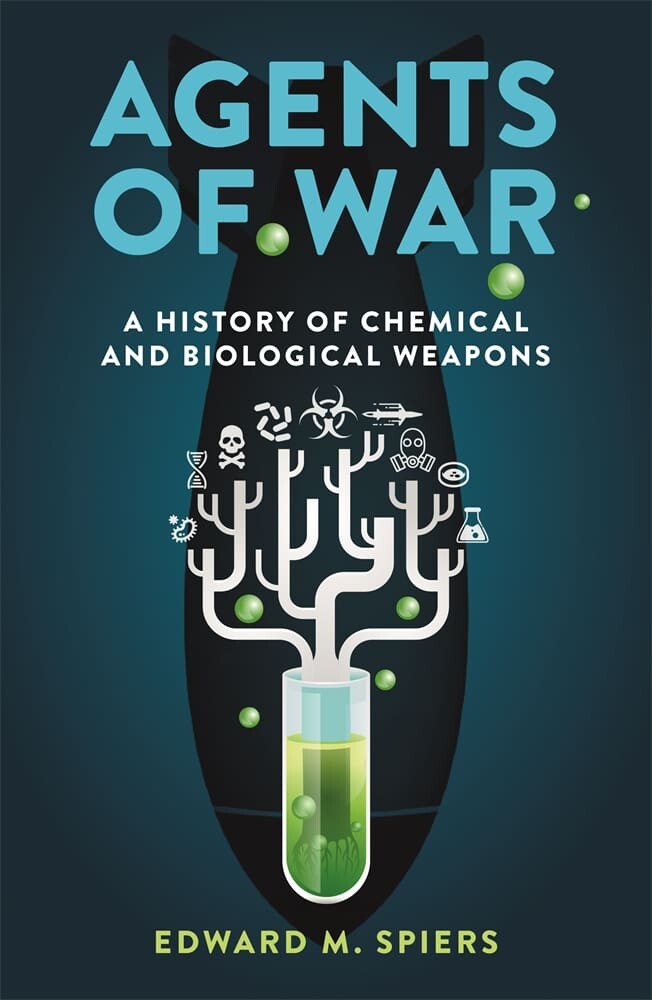
A History of Chemical and Biological Weapons
Edward M. SpiersOften described as the misuse of science, chemical and biological weapons have incurred widespread opposition over the years. This book examines the similarities and differences between the two types of weapons, and how technological advancements have led to tactical innovations in their use.
Often described as the misuse of science, chemical and biological weapons have incurred widespread opposition over the years. Despite condemnation from the United Nations, governments and the disarmament lobby, they remain very real options for rogue states and terrorists. Capable of development and production in small, covert facilities, these versatile weapons kill and injure in horrific ways, and also cause immense psychological shock and panic. This much-needed history examines the similarities and differences between the two types of weapons, and how technological advancements have led to tactical innovations in their use. Global efforts to restrain their use, with deterrence and disarmament being the major issues, are also discussed. From the widespread gas warfare used in the First World War to Saddam Hussein’s attacks on the Iraqi Kurds, this book gives a comprehensive chronological account of why, where and when such weapons were used or suspected to be deployed.
Edward M. Spiers breaks new ground by presenting his analysis in both historical and contemporary contexts. He includes attempts by terrorists to employ these weapons, along with the challenges posed in the preparation of proportionate defences, military responses and law-enforcement. This book will be of interest to readers studying the proliferation and use of these weapons, and the reactions of the international community.
Often described as the misuse of science, chemical and biological weapons have incurred widespread opposition over the years. This book examines the similarities and differences between the two types of weapons, and how technological advancements have led to tactical innovations in their use.
Often described as the misuse of science, chemical and biological weapons have incurred widespread opposition over the years. Despite condemnation from the United Nations, governments and the disarmament lobby, they remain very real options for rogue states and terrorists. Capable of development and production in small, covert facilities, these versatile weapons kill and injure in horrific ways, and also cause immense psychological shock and panic. This much-needed history examines the similarities and differences between the two types of weapons, and how technological advancements have led to tactical innovations in their use. Global efforts to restrain their use, with deterrence and disarmament being the major issues, are also discussed. From the widespread gas warfare used in the First World War to Saddam Hussein’s attacks on the Iraqi Kurds, this book gives a comprehensive chronological account of why, where and when such weapons were used or suspected to be deployed.
Edward M. Spiers breaks new ground by presenting his analysis in both historical and contemporary contexts. He includes attempts by terrorists to employ these weapons, along with the challenges posed in the preparation of proportionate defences, military responses and law-enforcement. This book will be of interest to readers studying the proliferation and use of these weapons, and the reactions of the international community.
-
'
a succinct and readily accessible account of the history and key issues associated with chemical and biological weapons from World War I to the present . . . an excellent overview of an often underappreciated segment of 20th- and 21st-century security studies . . . It deserves the thoughtful attention of both students and professionals.
'Military Review
-
'
This concise work, with its extensive references and bibliography, will be of interest to all students and professionals in the fields of history, political science, public policy, toxicology, and chemical technology. Recommended.
'Choice
-
'
provides a compelling case for governments across the globe not to overlook the potential threat of biological and chemical weapons . . . the book is more than just a history of these weapons, but also an important addition to the literature on the types of threat we are likely to face in the future . . . an important reminder of the substantial destructive and psychological power of chemical and biological weapons, as well as an accessible history about how states have thought about their use and utility in the past.
'Political Studies Review
-
'
a comprehensive overview of the development, future, and implications of biological and chemical weapons. Spiers book traces the origins of chemical and biological warfare from their ancient beginnings to the first major use of gas in 1915 in World War I, to more recent uses and suspicions of use.
'Arms Control
Preface
Abbreviations
Introduction
1 The Legacy of Gas Warfare in the First World War
2 Deterrence and Disarmament: Responses to Chemical
and Biological Warfare, 1919–93
3 Chemical Warfare in Third World Conflicts
4 The Proliferation of Chemical and Biological Weapons
5 Iraq's Chemical and Biological Warfare Programmes
6 Chemical and Biological Terrorism
Conclusion: The Evolving Nature of Chemical and Biological Warfare
References
Select Bibliography
Acknowledgements
Index
Edward M. Spiers is Emeritus Professor at the University of Leeds. He is the author of nineteen books, including Chemical Warfare (1985) and Weapons of Mass Destruction: Prospects for Proliferation (2000).