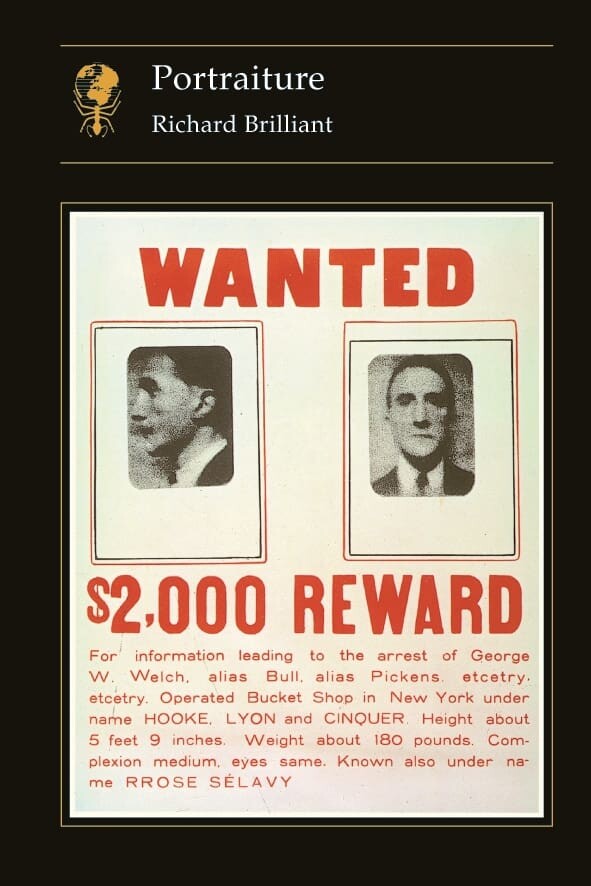
Portraiture
Richard BrilliantDrawing on a range of images from Antiquity to the 20th century, which includes paintings, sculptures, prints, cartoons, postage stamps, medals, documents and photographs, this title investigates the genre as a particular phenomenon in Western art that is especially sensitive to changes in the perceived nature of the individual in society.
This is the first general and theoretical study devoted entirely to portraiture. Drawing on a broad range of images from Antiquity to the twentieth century, which includes paintings, sculptures, prints, cartoons, postage stamps, medals, documents and photographs, Richard Brilliant investigates the genre as a particular phenomenon in Western art that is especially sensitive to changes in the perceived nature of the individual in society.
The author’s argument on behalf of portraiture (and he draws on examples by such artists as Botticelli, Rembrandt, Matisse, Warhol and Hockney) does not comprise a mere survey of the genre, nor is it a straightforward history of its reception. Instead, Brilliant presents a thematic and cogent analysis of the connections between the subject-matter of portraits and the beholder's response - the response he or she makes to the image itself and to the person it represents. Portraiture's extraordinary longevity and resilience as a genre is a testament to the power of this imaginative transaction between the subject, the artist and the beholder.
Drawing on a range of images from Antiquity to the 20th century, which includes paintings, sculptures, prints, cartoons, postage stamps, medals, documents and photographs, this title investigates the genre as a particular phenomenon in Western art that is especially sensitive to changes in the perceived nature of the individual in society.
This is the first general and theoretical study devoted entirely to portraiture. Drawing on a broad range of images from Antiquity to the twentieth century, which includes paintings, sculptures, prints, cartoons, postage stamps, medals, documents and photographs, Richard Brilliant investigates the genre as a particular phenomenon in Western art that is especially sensitive to changes in the perceived nature of the individual in society.
The author’s argument on behalf of portraiture (and he draws on examples by such artists as Botticelli, Rembrandt, Matisse, Warhol and Hockney) does not comprise a mere survey of the genre, nor is it a straightforward history of its reception. Instead, Brilliant presents a thematic and cogent analysis of the connections between the subject-matter of portraits and the beholder's response - the response he or she makes to the image itself and to the person it represents. Portraiture's extraordinary longevity and resilience as a genre is a testament to the power of this imaginative transaction between the subject, the artist and the beholder.
Drawing on a range of images from Antiquity to the 20th century, which includes paintings, sculptures, prints, cartoons, postage stamps, medals, documents and photographs, this title investigates the genre as a particular phenomenon in Western art that is especially sensitive to changes in the perceived nature of the individual in society.
This is the first general and theoretical study devoted entirely to portraiture. Drawing on a broad range of images from Antiquity to the twentieth century, which includes paintings, sculptures, prints, cartoons, postage stamps, medals, documents and photographs, Richard Brilliant investigates the genre as a particular phenomenon in Western art that is especially sensitive to changes in the perceived nature of the individual in society.
The author’s argument on behalf of portraiture (and he draws on examples by such artists as Botticelli, Rembrandt, Matisse, Warhol and Hockney) does not comprise a mere survey of the genre, nor is it a straightforward history of its reception. Instead, Brilliant presents a thematic and cogent analysis of the connections between the subject-matter of portraits and the beholder's response - the response he or she makes to the image itself and to the person it represents. Portraiture's extraordinary longevity and resilience as a genre is a testament to the power of this imaginative transaction between the subject, the artist and the beholder.
Introduction
I. The Authority of the Likeness
II. Fashioning the Self
III. Fabricated Identities: Placements
IV. 'Here's Looking at You!'
References
List of Illustrations
Richard Brilliant was Professor Emeritus of Art History and Archaeology and Anna S. Garbedian Professor in the Humanities at Columbia University. His previous books include Portraiture (Reaktion, 1991) and My Laocoön: Alternative Claims in the Interpretation of Artworks (2000).